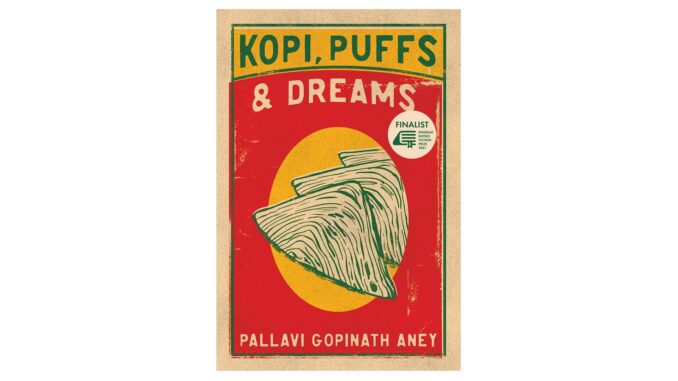
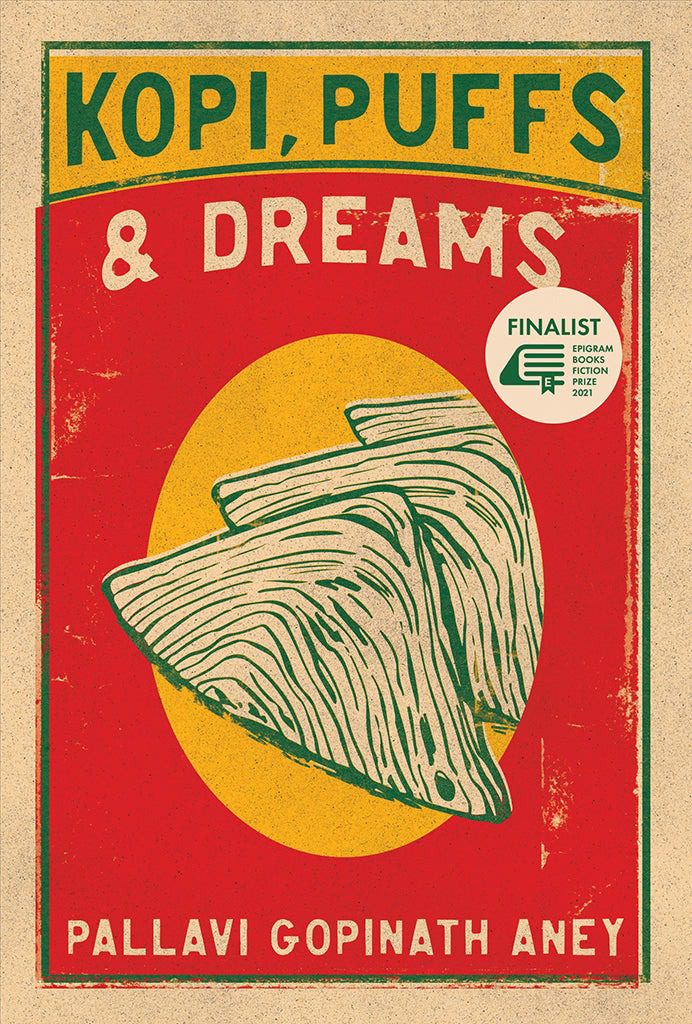
I was drawn by the cover (and title) of Kopi, Puffs & Dreams, which in an odd way, appealed to me. Just the title alone evoked a Singaporean flavour, of the simplicities of life, and of grand aspirations. However, I wasn’t too engaged by the first few pages, until midway through the first chapter – when we learn more about Puthu.
Puthu is asexual.
So I finished the book, over kopi on some days, and by the end, I felt so seen. So heard. I saw a character who was asexual, but wasn’t defined by that trait. I saw a character that was human, with desires and urges and emotions and foibles.
And it was such a brilliant characterisation that I can finally say that I’ve met a fictional character whom I get – and whom I feel, gets me.

Synopsis
Kopi, Puffs & Dreams is a novel by Pallavi Gopinath Aney. The book revolves around Puthu and Krishnan, two young men from India, who come to (Malaya first, then) Singapore at the turn of the twentieth century. As they build their new lives in a land far, far away, they find themselves escaping the ghosts that plague them. But they can only run for so long, and eventually their own personalities catch up with them.
It was published in 2021 by Epigram Books.
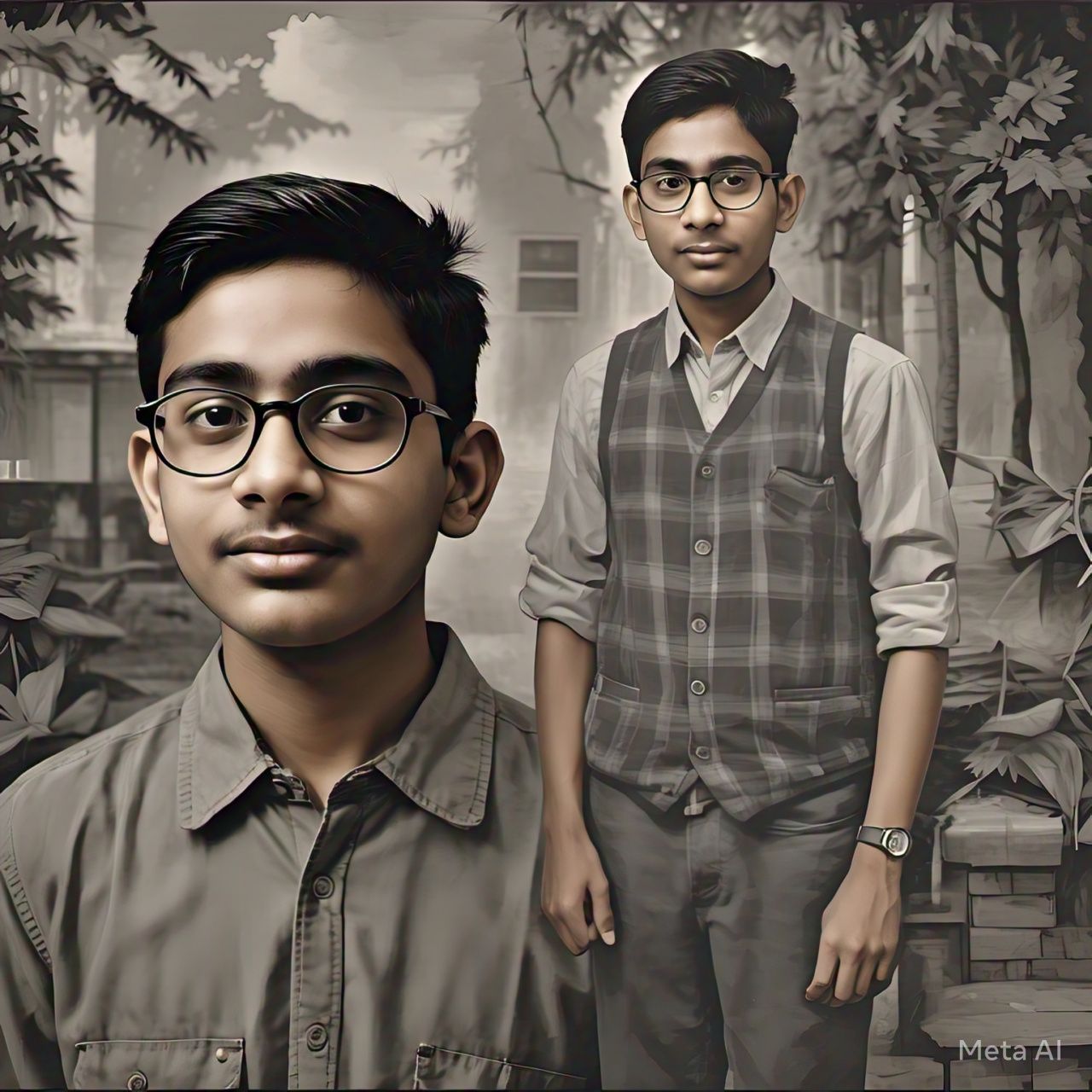
Puthu’s characterisation makes him real in so many ways
I identified so much with Puthu – and so not just because he’s asexual. It’s that his character is not just limited to his sexuality. He appears to be coldly logical and objectively rational – but only because he keeps such a tight lid on his emotions. When he sees his best friend Krishnan falling for love interest Pushpa, whom Puthu believes to be an idiot and so far beneath Krishnan, he can barely handle his jealousy and anger at the situation. But at the same time, it’s his emotions, his loyalty and brotherly love for Krishnan, that keeps him true to his friend and supportive of their wedding (although he isn’t quite impressed with Pushpa). Yet in all other matters, he takes a careful, calculated approach intended to maximise outcomes to his benefit, devoid of emotional considerations.
Yet “he knew that being content wasn’t within his reach.”
It’s such a layered, complex characterisation of Puthu that makes him seem so human – so real in my eyes. He’s a voracious reader and organiser of schedules and systems. It also helps that Puthu can be quite a judgmental, elitist snob (and makes no secret of it at times), which I completely understand. Of course, I’m not Puthu, and I have my differences from him (career choices, for one). But it feels like the book – perhaps the author, Pallavi Gopinath Aney – understands Puthu better than he understands himself. And by corollary, I feel understood too.

An authentic depiction of asexuality
We’re told that Puthu “was unusual in not feeling particularly attracted to anyone at all,” that “he liked girls, but just to talk to.” We find out that Puthu “never quite appreciated the physical aspects of their friendship as much as [his gay childhood friend], but he didn’t mind much either.” We learn that Puthu “knew there were men who liked other men, and had wondered if it were possible that he was one of them. He had concluded, somewhat sadly, that he wasn’t.”
Without mentioning the word “asexual” once (and perhaps, in 1902, this term didn’t quite exist yet), we see Puthu’s struggle with learning about his asexuality. In just two short paragraphs, we’re taken on the journey of being an asexual in a time when asexuality wasn’t commonly known – of the knowing that you don’t quite like people the same way everyone else does, that you’re not averse nor inclined to same sex intimacy, to wondering if you might be gay since you are not straight, to realising that you’re neither gay nor straight, but asexual.
It’s a journey that could certainly be expanded into a full-length novel, but it so succinctly summarises my journey (and that of many other asexuals) that it sheds so much insight on Puthu’s character. On his doubts, his conviction, his desire to be like everyone else, and the pain of being so alone in this.
I feel you, Puthu. And I wished you had been given more happiness than you had in the novel.
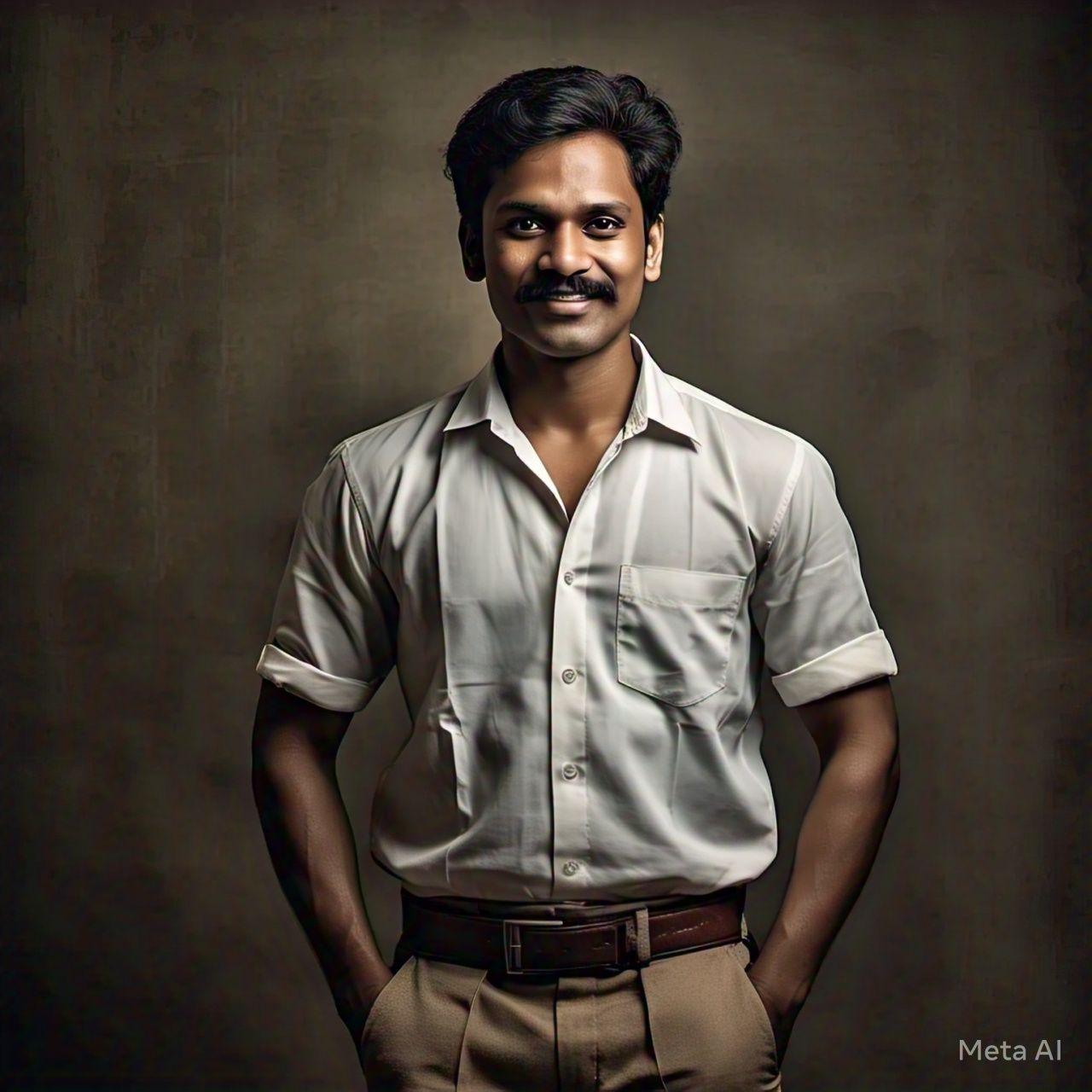
The friendship between Puthu and Krishnan
The pair are polar opposites. Puthu is brilliant but naive, Krishnan is streetwise but less polished. Puthu has his emotions under control, Krishnan wears them on his sleeve. Puthu is a man of ideas, Krishnan is a man of action. Perhaps back in their hometown of Palakkad, they would never have been friends – their families and support systems would not have necessitated that.
But in Singapore, as foreigners, as immigrants, as men searching for a new life – their friendship grows. The way they protect each other and love each other, which at times entails keeping painful secrets from each other – it’s the kind of friendship that one can only aspire to. It’s a beautiful portrayal of brotherhood, and something so precious that it’s only through a story – rather than mere words – that you can truly understand it.
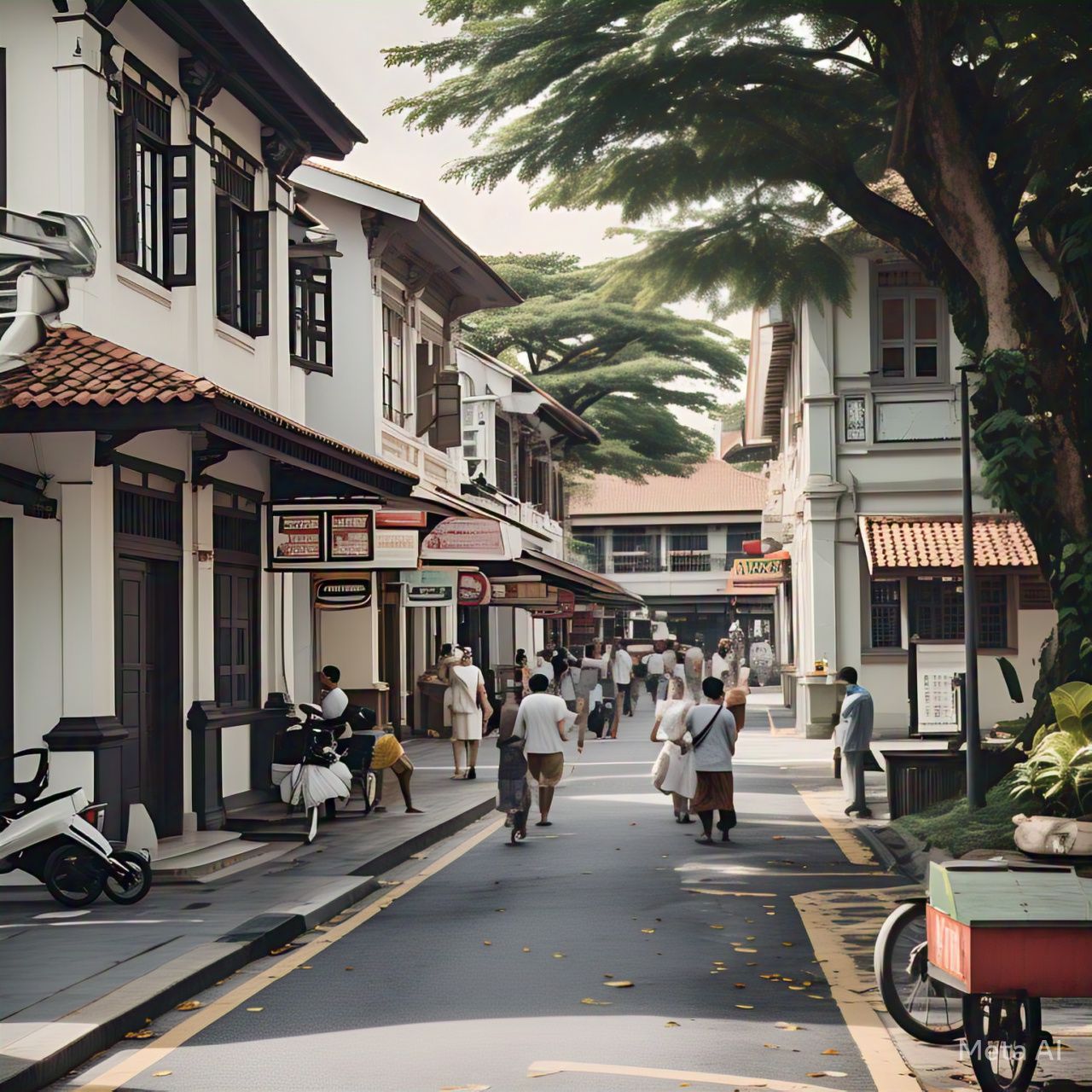
Singapore as a city of possibilities
As immigrants seeking a new life (sort of) in Singapore, our fair city is described as a place where anything is possible. A place of bustling streets, busy people, and bountiful life. A city that’s not so different from New York City (my favourite city).
And I love it. Certainly it’s romanticised, but it’s also a reminder of the power of the place we live in. That it’s a land where our ancestors came to seek their fortunes, that it’s about where dreams can be realised, that it was a place where you could carve out your own place in history.
Maybe in our sanitised, more structured society, it may no longer seem like that. But it’s there. That spark is still there. And Kopi, Puffs & Dreams is a reminder of Singapore’s soul, and our roots.
The entrepreneurial journey
In today’s terms, Puthu and Krishnan would be labelled entrepreneurs (a term laden with many undesirable connotations for me). But back then, they were just business owners trying to earn their own independence.
This business owner journey – of being at the mercy of suppliers, of finding venues to set up shop, of pivoting and capturing opportunities, of differentiating yourself from your competitors – resonates so much with me. Like being asexual, it’s a journey that can be lonely, that you feel so few people understand. So on another level, perhaps a more relatable one, I feel so much for Puthu – and I feel seen by the novel.
Some flowery language
I have to disclaim that some of the more figurative prose wasn’t really my kind of thing, especially the opening sentence of the book, about “dread, threatening to burst like an ulcer.” I understand it was to set the scene and mood of the book, and the novel generally eschews that in favour of more plot-driven prose, so it’s just the opening. As the book progresses, the language grows more literal and palatable, and like the evolution of its characters, the words eventually find their own style and place by the time Puthu and Krishnan reach Singapore.

Should you read Kopi, Puffs & Dreams?
For me, Kopi, Puffs & Dreams is one of the more grounded and better representations of SingLit. Perhaps it’s because of the characters, the setting, the subject matter, the emotions – all these combine to for me to form a book that resonates so much with me that I’m a bit loathe to return it (haha). It romanticises Singapore in a way that so few other such books do – by making it necessary through the characters of its protagonists. And in the end, the book is really about one man’s search for happiness.
Aren’t we all doing the same thing?
Score: 9/10
Kopi, Puffs & Dreams is available on Epigram Bookshop.
Leave a Reply