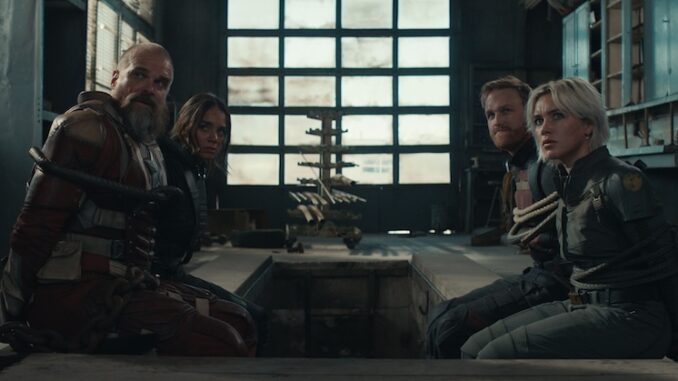
I wasn’t too excited about Thunderbolts* at first because, erm, well, I wanted to watch more famous characters in a movie. I know, I’m shallow.
It was with this expectation that I headed into the cinema (on my own dime okay). Honestly, Sentry (Lewis Pullman) was the biggest draw for me, especially after Steven Yeun’s departure (who was originally slated to play Sentry) and I just wanted to see how they’d handle the character. The other antiheroes of the piece, well… it’s like seeing supporting characters suddenly become main characters.
So I was quite pleasantly surprised that there was a strong team message. There was a story about human connection. And most importantly, it was a tale told that revealed that you know, the most important thing in superhero teams is also the most important thing in life.
Relationships.
Synopsis
Thunderbolts* is a superhero film that’s the 36th instalment in the Marvel Cinematic Universe (MCU). It revolves around a group of antiheroes who have appeared in previous MCU films, who are forced to work together for the greater good. The asterisk (*) in the title indicates that this is a placeholder name for the team.
Director: Jake Schreier
Writers: Eric Pearson, Joanna Calo
Cast:
-
Florence Pugh (Yelena Belova)
-
Sebastian Stan (Winter Soldier/Bucky Barnes)
-
Wyatt Russell (U.S. Agent/John Walker)
-
Olga Kurylenko (Taskmaster/Antonia Dreykov)
-
David Harbour (Red Guardian/Alexei Shostakov)
-
Hannah John-Kamen (Ghost/Ava Starr)
-
Julia Louis-Dreyfus (Valentina Allegra de Fontaine)
-
Lewis Pullman (Sentry/Void/Robert Reynolds)
-
Geraldine Viswanathan (Mel)
-
Chris Bauer (Holt)
-
Wendell Pierce (Gary)
Run time: 126 minutes
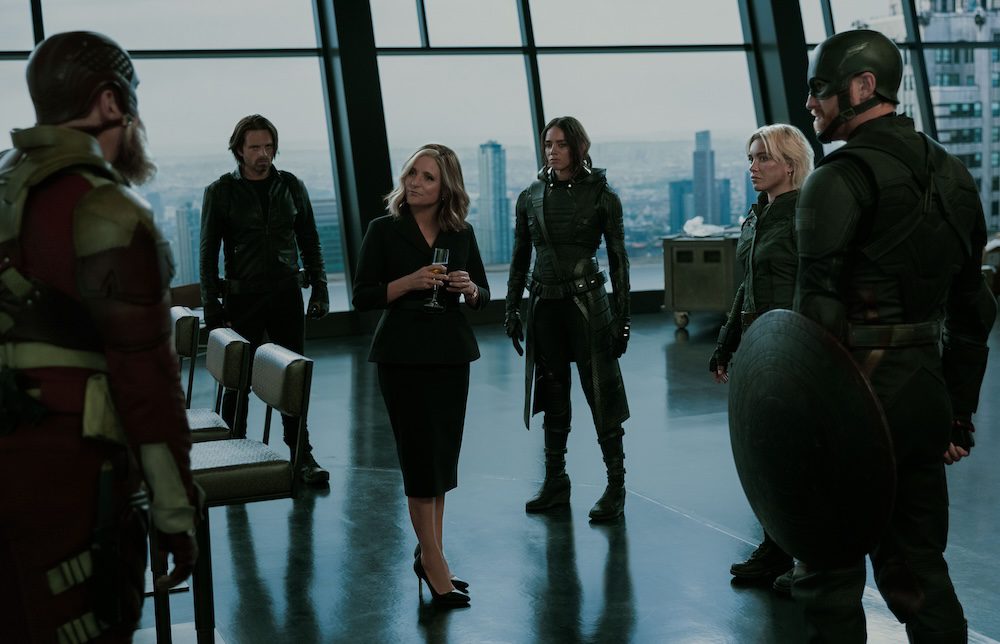
It’s all about the people around you
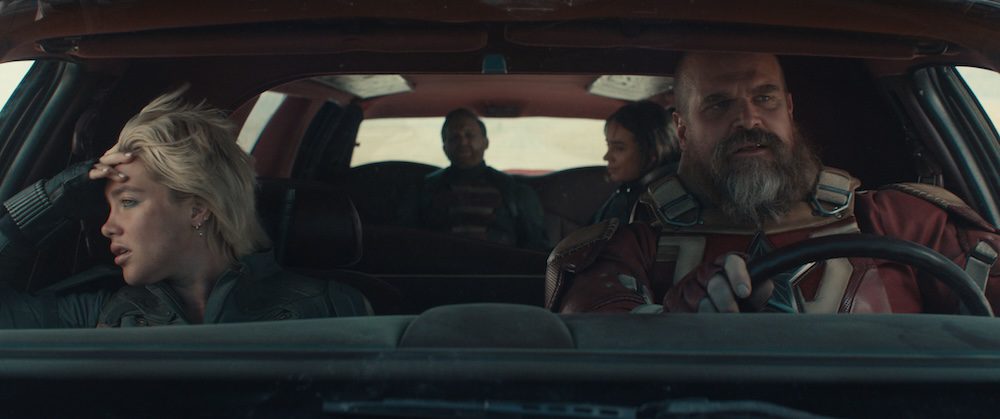
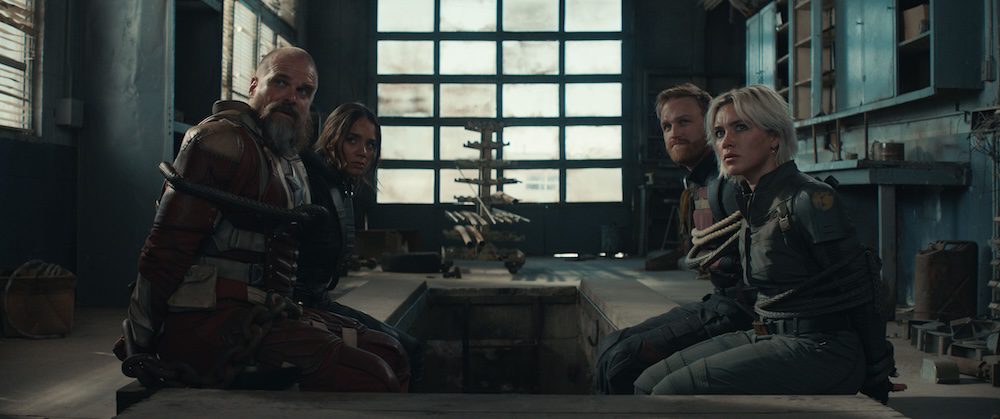
It’s not completely unexpected that the climax of Thunderbolts* is about relationships – that to save the day, the team has to call upon the bonds that it kinda-sorta-abit forged over the course of the film. Given that the characters in Thunderbolts* are mostly grumpy loners who are prickly to communicate with, it’s a heartening message that no matter how we try not to build bonds, we do. As a superhero team movie (emphasis on team), it underscores the theme (haha) that the whole is greater than the sum of its parts.
And it’s a relevant – and dare I say, crucial message for life too. No man (or woman) is an island, and that’s the point of humanity. That we’re all in this together. That it’s the people around us, the relationships we build, and the social support that we have – that makes life worth living.
The mental health aspect
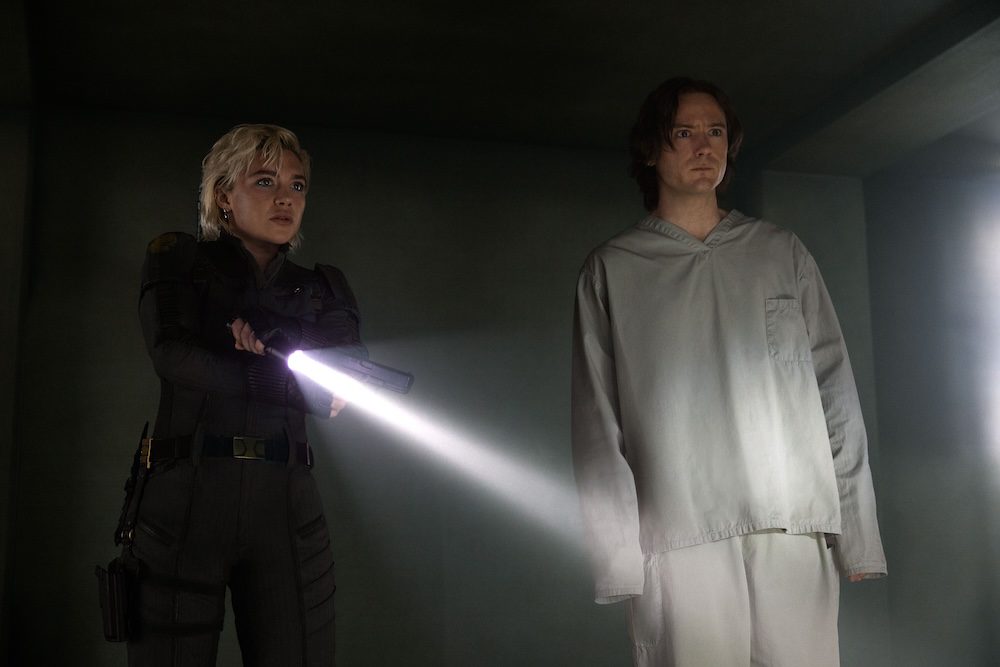
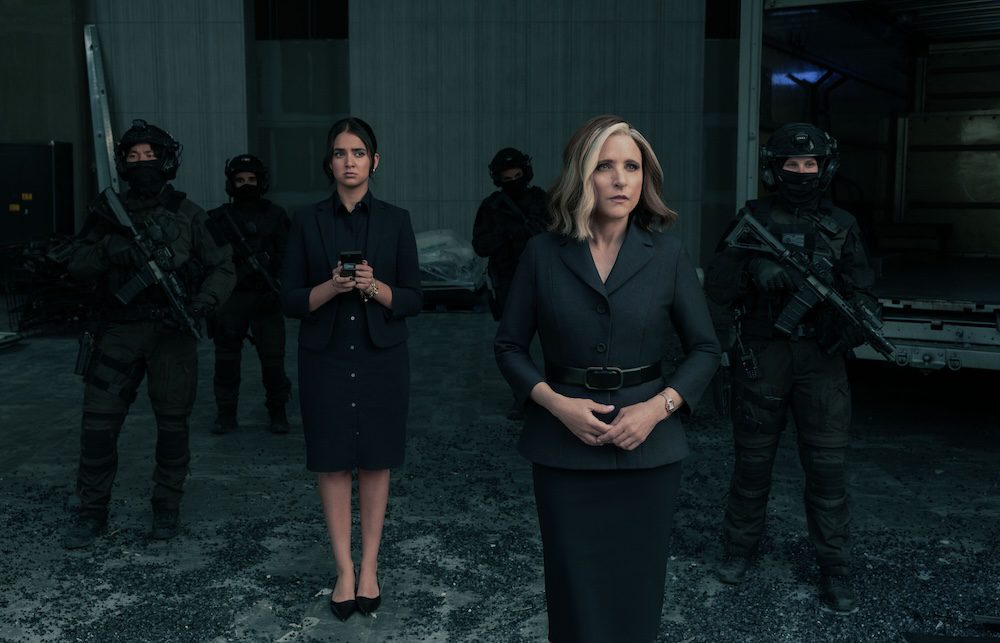
There’s this scene in the film when the dark side of one of the characters – the one with all the negative self-talk, the depressive tendencies, and the self-destructive urges – literally manifests. Said character’s instinct is to pummel that dark side into oblivion, not realising that to do so is to become that dark side. And it’s not Pollyannaism that saves the day. It’s the fact that there are people around this character, who believe in this character, who pull this character back from the brink.
I wrestled with whether I should write this in, because it’s a very authentic depiction of dealing with the self-talk in your head. That it’s not about beating down your other selves, because they are still you. It’s about remembering that there happier memories, better people, and good things left in the world that bring you back to your senses. So for anyone who’s ever had to duel with their own self-talk, this scene’s for you.
A more character-driven storyline
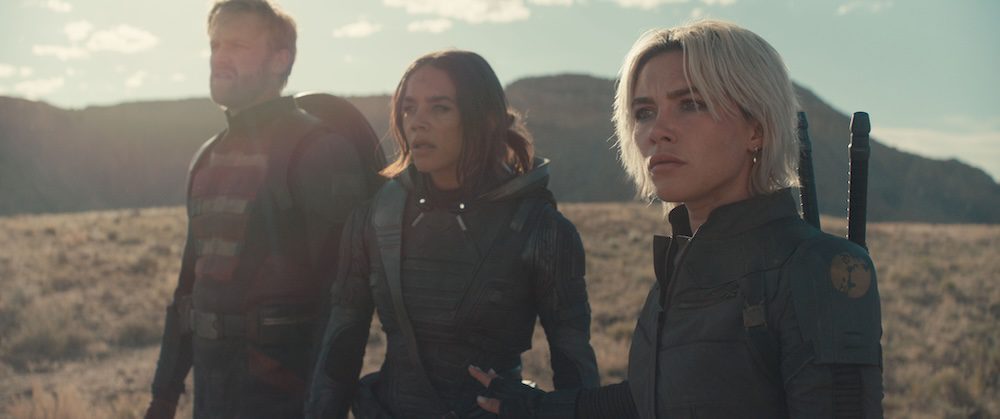
There is a global threat, there is a conspiracy to be unravelled, and there are explosions and special effects. But the movie doesn’t centre around that. In fact, it’s really the story of Yelena Belova’s (Florence Pugh) grief – and consequently, her fear of connection that drives the movie. That can arguably be said for all of the characters in the film, who were antagonists in their previous appearances in the MCU. And the movie’s narrative arc follows the evolution of the characters, which is the overcoming of their fear of human connection (after having being left behind, experimented on, abused, gone through depression, and so on). It’s a good shift back to such storylines, because it’s when we have an emotional connection with the protagonists that the climax feels more impactful, regardless of the number of colourful explosions that are included.
Ties up multiple MCU plotlines
As one of the last few films for the Multiverse Saga, Thunderbolts* resolves (or at least, continues) plotlines across many previous films, namely from The Falcon and the Winter Soldier. It also rehabilitates the antagonists of previous films, giving them a more integral role as the MCU moves forward. For me, it’s good to see that all those setups have been remembered, and it’s also a reminder that we’re coming to the end of another era for the MCU.
I miss the more colourful MCU
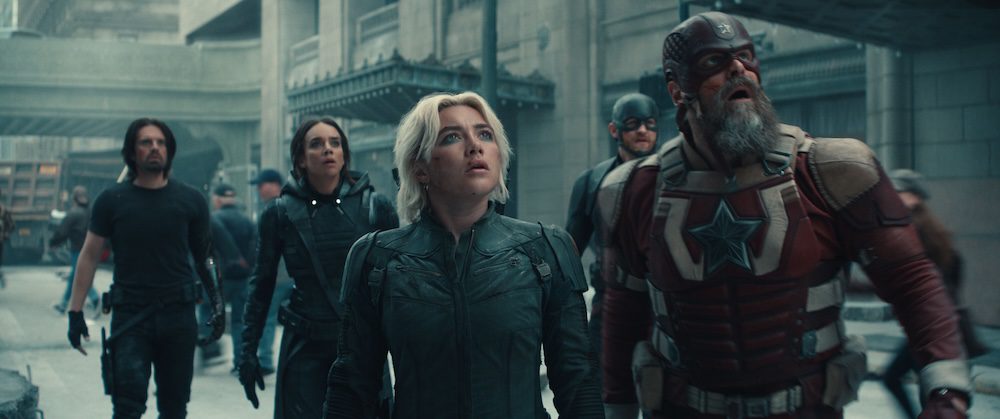
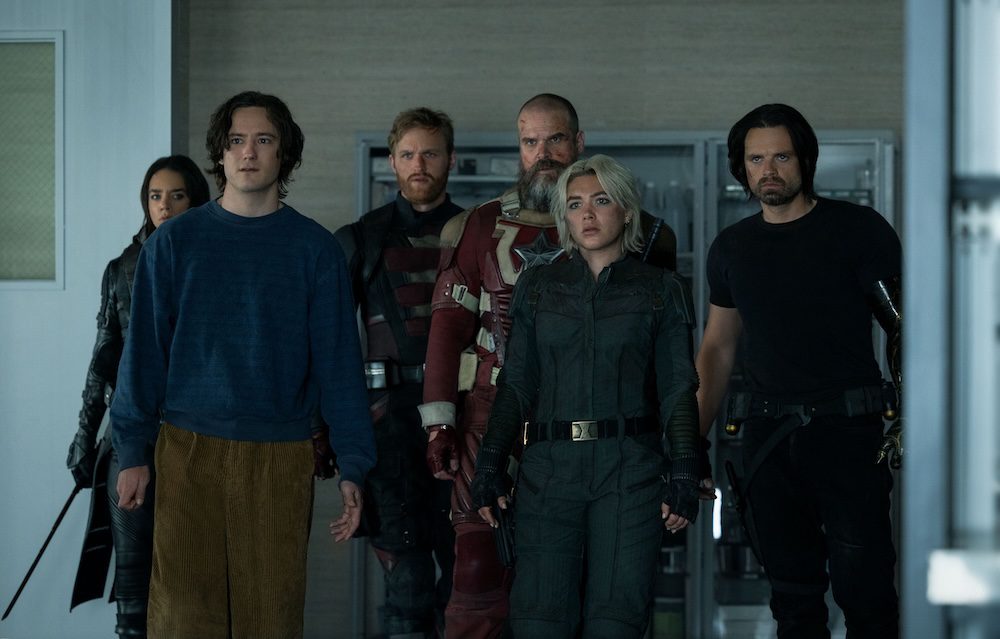
The colour palette for Thunderbolts* is rather… drab. Granted, these are generally not optimistic characters, nor are they cheerful superheroes. But when the costume colours span the gamut from yellow to red to blue, it feels like a missed opportunity to have it be more colourful. The darker aesthetic of the film does have a purpose, as the story unfolds. But yeah, I missed the richer colours from previous MCU films. Maybe I’m old.
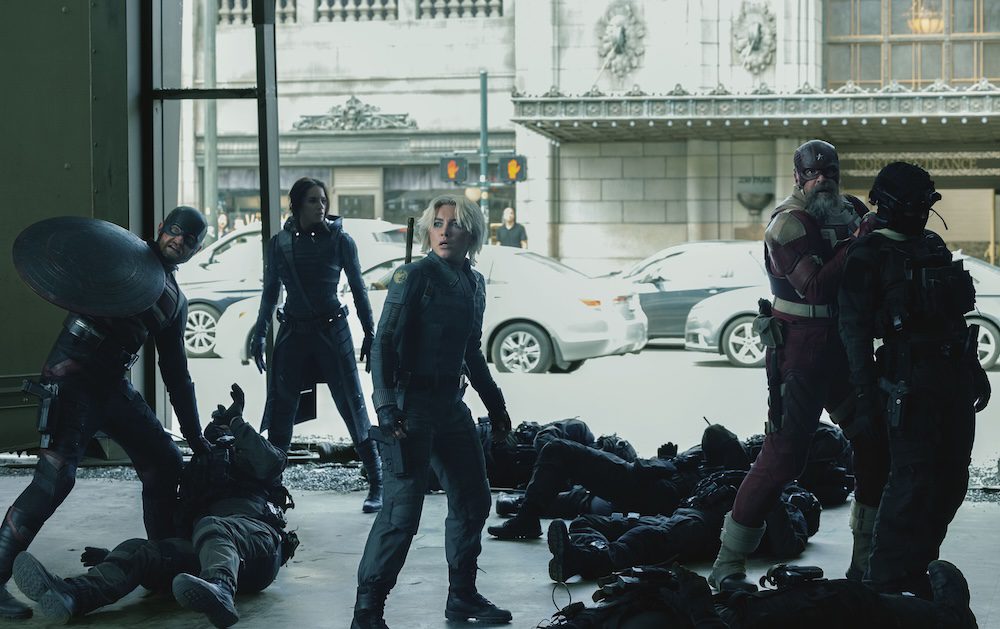
Several sudden plot developments
There were some narrative choices that made me uncomfortable. The sudden departure of one character early in the story made me wonder if there was a plot purpose to it, and I spent the whole film waiting for the surprise return of that character to save the team from some situation. The ending, while fulfilling all story beats, also felt rather truncated – like it had to be finagled into setting up the next movie. Then there’s also the deus ex machina of yet another evil scientific experiment bestowing god-like powers on a character. We just saw a Red Hulk created a movie ago in Captain America: Brave New World – exactly how much power can science bestow upon characters these days?
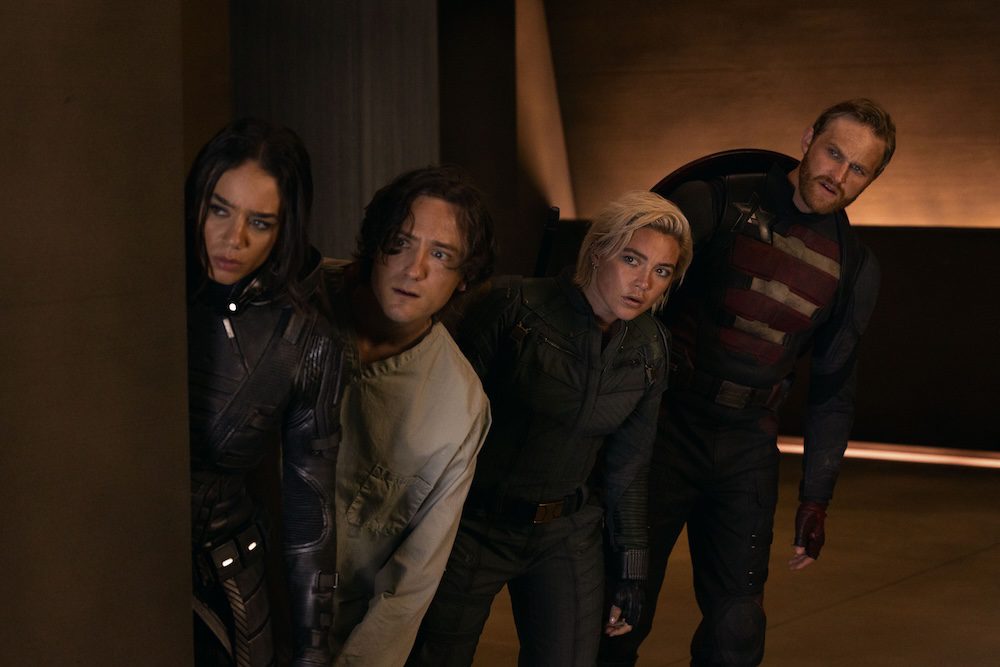
Should you watch it?
Being a film that continues multiple MCU plotlines (and sets up future ones), Thunderbolts* is a vital piece in the overall MCU arc (or that is how it seems so far). But it also has a standalone story, a message about human connection, which allows the film to be satisfying even if you haven’t watched all the preceding shows that it references. Ultimately, this instalment of the MCU isn’t one that feels like mandatory homework in order to keep up with Marvel offerings – which is exactly why you should watch it. Stay back for post-credit scenes.
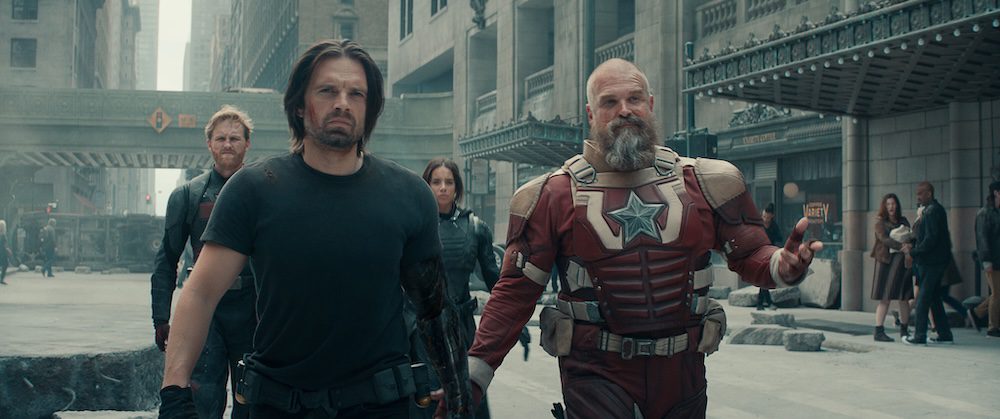
Score: 3.9/5
You might also want to read:
- [Movie Review] ‘Black Widow’ is a mixed bag of genres – Yelena, Red Guardian & Taskmaster’s first appearance
- [Movie Review] ‘Ant-Man and the Wasp’ carves out its own little corner in the MCU – Ghost’s first appearance
- [Movie Review] Even with trailer spoilers, ‘Captain America: Brave New World’ still has some surprises – Winter Soldier’s most recent appearance
- [Movie Review] The real hero of ‘Black Panther: Wakanda Forever’ is Wakanda itself – Valentina’s most recent appearanc
Leave a Reply